
The Role of Acoustics in Healthcare: Creating Healing Environments
Noise is one of the most overlooked challenges in hospitals, yet it directly impacts patient recovery, staff wellbeing, and overall care quality. Despite hospitals being designed as places of healing, sound levels often exceed World Health Organization guidelines, creating environments that increase stress and slow recovery. Effective acoustic design is therefore not just about reducing noise, but about creating healing environments that support rest, communication, and operational efficiency. By addressing these challenges with specialized solutions, healthcare facilities can transform patient experiences and improve outcomes.
 Link copied



Hospitals should be sanctuaries of healing, yet many patients report noise as their primary complaint during their stay. The #1 patient complaint is noise, affecting both recovery times and overall satisfaction with care. Healthcare acoustics plays a vital role in creating environments that support patient recovery, staff wellbeing, and operational effectiveness.
Sound levels in modern hospitals often exceed recommended guidelines, creating stress for patients and healthcare workers alike. The World Health Organization recommends noise limits for hospitals ranging from 35-45 dB(A) during the day to 20-35 dB(A) at night, yet typical hospital noise exceeds this, with 60dB(A) recorded during the day and peaks above 100dB(A). These excessive noise levels can significantly impact healing environments and patient outcomes.
Understanding Hospital Acoustic Design Challenges

Hospital environments present unique acoustic challenges that require specialized solutions. Medical facilities operate 24/7 with constant activity from staff, equipment alarms, and patient care activities. Several problems related to human health and cognitive activities are attributed to noise, such as sleep disturbance, annoyance, and cardiovascular diseases.
Here's what makes hospital acoustic design complex:
Medical equipment generates continuous background noise that can interfere with patient rest. Staff communication needs must be balanced with noise control requirements. Emergency situations require immediate audio alerts while maintaining overall quiet environments. Different areas of the hospital have varying acoustic requirements based on their function.
In hospital environments, a patient's recovery is heavily dependent on quality sleep. When operating without adequate noise control measures, patient recovery becomes difficult as sleep is more disturbed.
The Science Behind Sound in Healing Environments
Research consistently demonstrates the connection between acoustic comfort in healthcare and patient outcomes. Healthcare acoustics are a vital part of patient rest and recovery. Press Ganey satisfaction surveys indicate that hospital noise and its adverse impact on rest significantly affect patient satisfaction.
Sound affects healing through several mechanisms:
- Physiological Impact: Researchers have measured noise levels in wards that frequently exceed World Health Organization guideline values, leading to elevated stress hormones, increased blood pressure, and disrupted sleep patterns.
- Psychological Effects: Excessive noise creates anxiety and reduces patient confidence in care quality. Quiet environments promote relaxation and support the body's natural healing processes.
- Sleep Quality: The World Health Organization suggests that average hospital sound levels should not exceed 35 dB with a maximum of 40 dB overnight to prevent sleep disruption that can slow recovery.
Patient Recovery and Sound: The Direct Connection
The relationship between patient recovery and sound extends beyond simple comfort. Studies show that proper acoustic design can reduce hospital stays, decrease medication needs, and improve patient satisfaction scores.
Let's break down how sound impacts recovery:
- Pain Perception: Noise can amplify pain perception, requiring additional medication for patient comfort. Quieter environments allow patients to rest more effectively, reducing their perception of discomfort.
- Immune System Function: Quality sleep, supported by appropriate acoustic conditions, strengthens immune response and accelerates healing processes.
- Stress Reduction: Lower ambient noise levels reduce cortisol production, allowing the body to focus energy on healing rather than stress response.
Peak noise averaged 80.3 dB – nearly as loud as a chainsaw, well over the recommended maximum of 40 dB, highlighting the urgent need for better acoustic management in healthcare facilities.
Noise Control in Hospitals: Effective Strategies
Successful hospital acoustic design requires a multi-faceted approach addressing both sound absorption and sound isolation. Experts recommend designing or remodeling hospitals to support efficient sound management using sound-absorbing materials, such as acoustic ceiling tiles, wall treatments, and flooring.
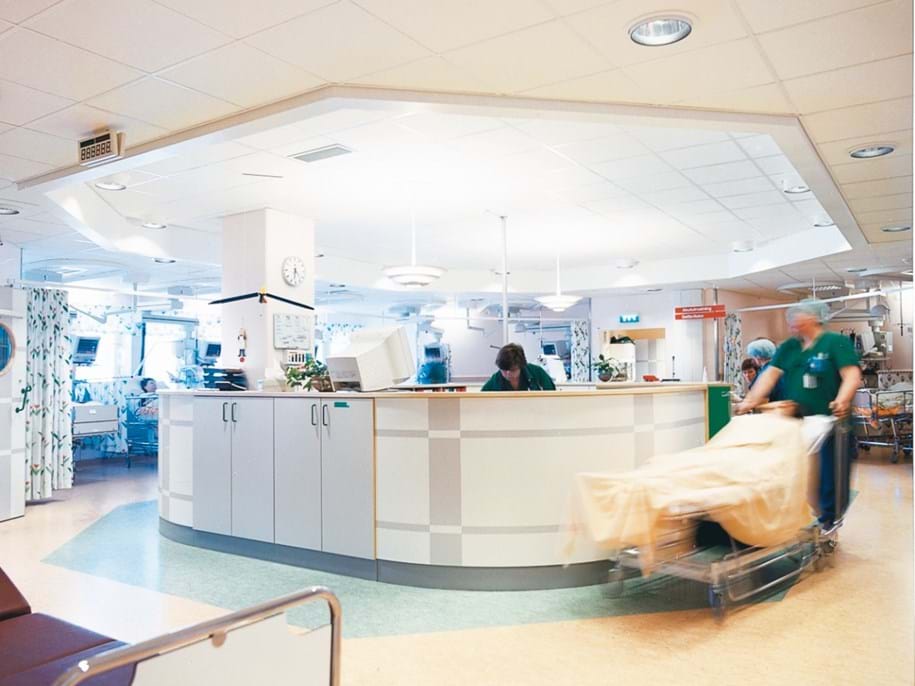
Key noise control strategies include:
- Architectural Solutions: Sound-absorbing ceiling systems reduce reverberation and ambient noise levels. Proper room layout minimizes sound transmission between patient areas. Strategic placement of noisy equipment away from patient rooms.
- Mechanical System Design: HVAC sound dampening includes using packless silencers or selecting quieter air handlers to minimize source noise from mechanical systems.
- Operational Protocols: Staff training on quiet communication practices. Alarm management systems that deliver notifications efficiently without creating excessive noise. Scheduled quiet times during patient rest periods.
Technology Integration for Better Acoustic Comfort in Healthcare
Modern hospitals are incorporating advanced technologies to manage acoustic environments more effectively. Smart building systems can monitor and adjust sound levels automatically based on time of day and occupancy levels.
Digital communication systems reduce the need for overhead paging, one of the most disruptive noise sources in hospitals. Mobile communication devices allow staff to coordinate quietly without disturbing patients.
A healthy acoustic environment in hospitals helps staff hear and analyze audible warning alarm sounds on medical equipment and patient call signals. Flawless communication is important during shift handovers and patient information exchange.
Healing Spaces with Sound Design: Creating Optimal Environments
Effective sound design in healthcare goes beyond simple noise reduction. It involves creating healing spaces and acoustic environments that support different activities while maintaining overall comfort.
Different hospital areas require specific acoustic considerations:
Patient Rooms: Focus on sound isolation and absorption to create restful environments. Background masking systems can help cover unavoidable operational noise.
Operating Rooms: Experts recommend designing ICUs with soundproofing in mind, building hospitals with sound-absorbing ceiling and floor tiles. Clear communication is essential for surgical teams while maintaining sterile environments.
Public Areas: Waiting rooms and corridors need acoustic treatments that manage crowd noise while maintaining speech intelligibility for important announcements.
Staff Areas: Break rooms and workstations require acoustic privacy for confidential discussions and stress relief spaces for healthcare workers.
How Ecophon Supports Healthcare Acoustic Excellence
Ecophon specializes in providing acoustic solutions specifically designed for healthcare environments. Their comprehensive range of ceiling and wall absorption products addresses the unique challenges faced by hospitals and medical facilities.

The company's healthcare-focused solutions include specialized ceiling systems that meet strict hygiene requirements while providing superior acoustic performance. Ecophon has divided the Hygiene family into five different main groups to make it easier to find the right acoustic solution for healthcare facilities.
Ecophon's approach combines technical expertise with practical understanding of healthcare operations. Their products support infection control protocols while delivering the acoustic comfort necessary for healing environments. The company's solutions are designed to work effectively in high-traffic areas where durability and easy maintenance are essential.
What sets Ecophon apart is their focus on creating products that address multiple healthcare needs simultaneously - acoustic performance, hygiene requirements, and operational efficiency. This holistic approach helps healthcare facilities achieve better patient outcomes while supporting staff productivity.
Implementation Best Practices
Successful implementation of healthcare acoustics requires careful planning and coordination with various stakeholders. Here are essential steps for creating effective healing spaces:
Assessment Phase: Conduct thorough acoustic measurements to identify problem areas and establish baseline conditions. Evaluate existing architectural features and mechanical systems that contribute to noise issues.
Design Integration: Work with architects and engineers to incorporate acoustic solutions from the early design stages rather than as afterthoughts. Select materials and systems that address both acoustic and infection control requirements.
Phased Implementation: Plan installations during low-occupancy periods to minimize disruption to patient care. Consider temporary solutions during renovation periods to maintain acoustic comfort.
Staff Training: Educate healthcare workers on the importance of acoustic environments and their role in maintaining quiet conditions. Provide protocols for equipment use and communication practices that support noise control efforts.
Measuring Success: Acoustic Performance Metrics
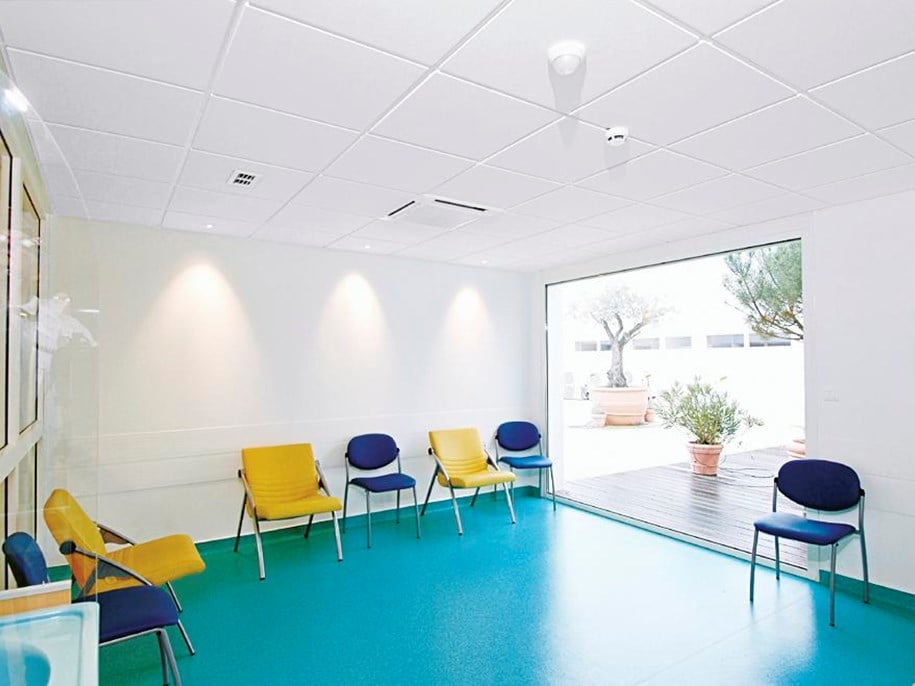
Effective healthcare acoustic design requires ongoing monitoring and evaluation. Key performance indicators include:
Sound level measurements at various times and locations throughout the facility. Patient satisfaction scores related to noise and sleep quality. Staff feedback on communication effectiveness and workplace comfort. Compliance with WHO and other regulatory guidelines for hospital noise levels.
Regular assessment helps identify areas for improvement and ensures that acoustic solutions continue to meet the evolving needs of healthcare facilities.
Future Trends in Healthcare Acoustics
The field of healthcare acoustics continues to evolve with advancing technology and growing awareness of its importance. Emerging trends include:
Smart acoustic systems that automatically adjust to changing conditions and occupancy levels. Integration of acoustic design with other building systems for comprehensive environmental control. Personalized acoustic environments that can be adjusted for individual patient preferences.
Research continues to reveal new connections between acoustic environments and health outcomes, driving continued innovation in healthcare acoustic design.
Taking Action: Next Steps for Better Hospital Acoustics
Creating healing environments through proper acoustic design requires commitment from healthcare administrators, architects, and facility managers. The investment in quality acoustic solutions pays dividends through improved patient satisfaction, better staff working conditions, and enhanced overall facility performance.
Start by conducting a comprehensive acoustic assessment of your facility to identify areas most in need of improvement. Work with acoustic specialists who understand the unique requirements of healthcare environments. Consider both immediate improvements and long-term planning for comprehensive acoustic upgrades.
Ready to transform your healthcare facility's acoustic environment? Connect with Ecophon's healthcare acoustic specialists to explore solutions tailored to your specific needs. Their expertise in hospital acoustic design can help you create the healing environments your patients and staff deserve.
Frequently Asked Questions
What are the recommended noise levels for hospitals?
The WHO recommends hospital noise levels should average 35dB(A) during the day and 30dB(A) at night, with nighttime peaks not exceeding 40dB(A) to prevent sleep disruption and support patient recovery.
How does hospital noise affect patient recovery?
Excessive noise disrupts sleep quality, increases stress hormones, elevates pain perception, and weakens immune system function, all of which can significantly extend recovery times and reduce treatment effectiveness.
What are the main sources of noise in hospitals?
Primary noise sources include medical equipment alarms, HVAC systems, staff conversations, overhead paging, rolling equipment like carts and beds, and general patient care activities throughout the facility.
Can acoustic treatments be installed in existing hospitals?
Yes, many acoustic solutions can be retrofitted into existing facilities, including ceiling tile replacements, wall-mounted absorbers, and sound masking systems that improve acoustic conditions without major renovation.
How do acoustic solutions maintain hospital hygiene standards?
Modern healthcare acoustic products are designed with antimicrobial surfaces, easy-to-clean materials, and sealed edges that prevent contamination while meeting strict infection control requirements and maintaining superior sound absorption properties.