How to Choose the Right Acoustic Solution for Your Space (Step-by-Step Guide)
Poor acoustics can transform even the most beautifully designed space into an uncomfortable environment. Whether you're struggling with echoing conference rooms, noisy open-plan offices, or reverberating classrooms, finding the right acoustic solution is essential for creating spaces where people can thrive. This comprehensive guide will walk you through everything you need to know about selecting acoustic treatments that match your specific needs.
 Link copied



Understanding Acoustic Challenges in Different Environments
Before diving into solutions, it's crucial to understand what you're dealing with. Acoustic problems manifest differently across various spaces, and identifying your specific challenge is the foundation of choosing the right acoustic solution.
Common Sound Issues You Might Face
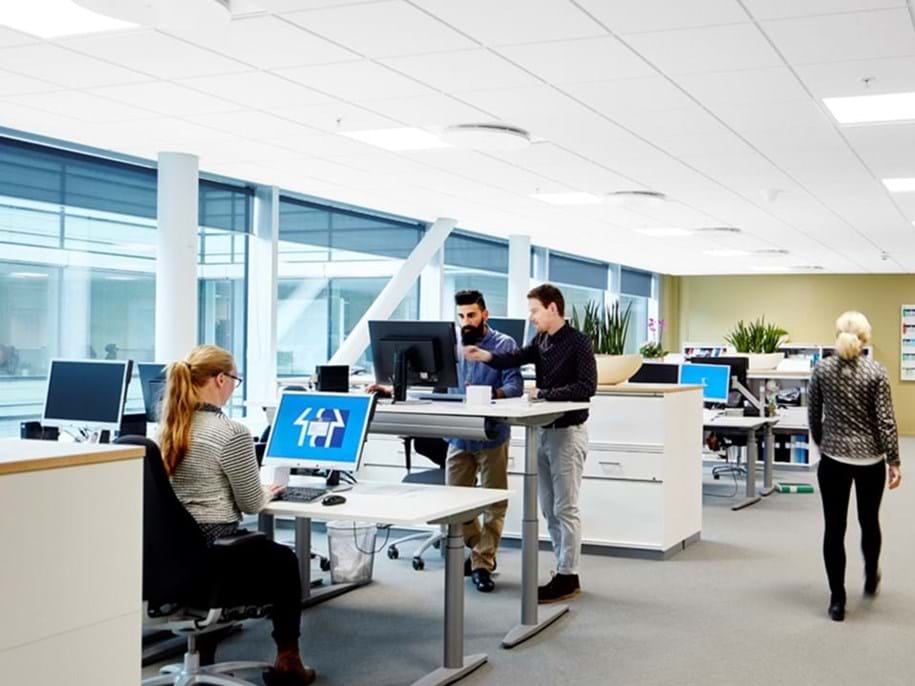
Sound behaves differently depending on room size, ceiling height, surface materials, and occupancy levels. Hard surfaces like concrete, glass, and metal reflect sound waves, creating reverberation and echo. In open-plan offices, sound travels freely between workstations, reducing privacy and concentration. Educational environments face unique challenges where speech intelligibility directly impacts learning outcomes.
Reverberation occurs when sound bounces repeatedly off surfaces, creating a muddy, unclear audio environment. This differs from echo, which is a distinct repetition of sound. Background noise, another common issue, stems from HVAC systems, equipment, and human activity combining into a constant drone that increases stress and reduces productivity.
Step 1: Assess Your Space and Identify Acoustic Needs
The journey toward better acoustics begins with a thorough space assessment. Walk through your environment and observe how sound behaves throughout the day.
Measuring Room Characteristics
Start by documenting your space dimensions, ceiling height, and existing materials. Note the percentage of hard versus soft surfaces. Calculate the room volume by multiplying length, width, and height. Larger volumes typically require more extensive acoustic treatment.
Consider the room's purpose and occupancy patterns. A conference room used for video calls has different requirements than a bustling cafeteria. Peak occupancy times matter too an empty space sounds dramatically different than one filled with people, furniture, and equipment.
Professional Acoustic Evaluation
For complex projects, consider engaging acoustic consultants who can perform detailed measurements using specialized equipment. They measure reverberation time (RT60), sound pressure levels, and speech intelligibility metrics. These quantitative assessments remove guesswork and provide clear treatment targets.
Step 2: Define Your Acoustic Goals and Performance Requirements
Clarity about your objectives guides product selection and ensures investment effectiveness. Different spaces demand different acoustic performance standards.
Setting Realistic Acoustic Targets
Educational facilities typically aim for reverberation times between 0.5 and 0.8 seconds to support speech clarity. Open offices often target 0.6 to 0.8 seconds, balancing sound absorption with a sense of vibrancy. Healthcare settings require even lower reverberation times, often below 0.6 seconds, to create calm, healing environments.
Speech intelligibility becomes paramount in spaces where communication is critical. The Speech Transmission Index (STI) quantifies this, with scores above 0.60 considered "good" for most applications. Auditoriums and lecture halls should target STI values above 0.75.
Privacy requirements vary significantly. Confidential meeting spaces need sound isolation preventing eavesdropping, while collaborative areas benefit from controlled sound propagation that maintains energy without creating distraction.
Step 3: Explore Different Types of Acoustic Solutions
Understanding available acoustic treatment options empowers informed decision-making. Each solution type addresses specific acoustic challenges and suits particular applications.
Acoustic Ceiling Systems
Suspended ceiling systems represent one of the most effective acoustic treatments, addressing sound from above the largest untreated surface in most rooms. These systems use perforated or porous panels that absorb sound energy, dramatically reducing reverberation.
Wall-to-wall ceiling solutions provide comprehensive sound absorption and create uniform acoustic environments. They're particularly effective in offices, schools, and healthcare facilities where consistent performance matters. Installation versatility allows for exposed grid systems or concealed solutions depending on aesthetic preferences.
Acoustic Wall Panels and Absorbers
Wall-mounted absorbers complement ceiling treatments by addressing reflections from vertical surfaces. These panels come in various thicknesses, densities, and surface treatments optimized for different frequency ranges.
Strategic placement matters significantly. Position panels at first reflection points where sound bounces between source and listener. In meeting rooms, treat walls opposite speakers and presentation areas. In open offices, use wall absorbers to create acoustic zones and reduce sound propagation between workstations.
Acoustic Baffles and Ceiling Panels
When full ceiling coverage isn't feasible due to exposed services, lighting, or architectural features, acoustic baffles and ceiling panels offer flexible alternatives. These suspended elements provide substantial sound absorption while maintaining access to ceiling infrastructure.
Vertical baffles excel in spaces with high ceilings, intercepting sound as it travels upward. Horizontal ceiling panels work well in areas requiring partial treatment. Both options support creative design possibilities, available in various shapes, colors, and configurations that enhance rather than compromise aesthetics.
Specialized Solutions for Unique Spaces
Certain environments demand specialized acoustic treatments. Clean rooms and healthcare facilities require products meeting strict hygiene standards with smooth, cleanable surfaces. Industrial settings need robust solutions withstanding harsh conditions. Performance venues require carefully tuned acoustic profiles supporting both amplified and natural sound.
Step 4: Consider Material Properties and Sustainability
The right acoustic solution balances performance, durability, aesthetics, and environmental responsibility. Material selection impacts long-term satisfaction and operational success.
Sound Absorption Performance
Products are rated by their Noise Reduction Coefficient (NRC) and Sound Absorption Class (A through E, with A being highest). High-performance acoustic materials typically achieve NRC ratings of 0.85 to 1.0, meaning they absorb 85% to 100% of incident sound energy.
Frequency-specific absorption matters too. Standard ceiling tiles excel at mid to high frequencies but may underperform at low frequencies. Thicker materials and specialized constructions address bass frequencies more effectively.
Durability and Maintenance Requirements
Consider how products hold up under real-world conditions. High-traffic environments need impact-resistant solutions. Moisture-prone areas require materials that won't sag, discolor, or support mold growth. Surface treatments affect cleanability textured surfaces may trap dust while smooth surfaces wipe clean easily.
Environmental Considerations
Sustainable building practices increasingly influence material selection. Look for products with high recycled content, low VOC emissions, and end-of-life recyclability. Third-party certifications like Cradle to Cradle provide transparent information about environmental performance.
Glass wool core products offer excellent acoustic performance while supporting sustainability goals through recycled content and recyclability. Products designed for disassembly enable future renovation without generating waste.
Step 5: Balance Acoustics with Aesthetics and Budget
Acoustic treatments shouldn't compromise design vision or exceed financial constraints. Smart planning achieves multiple objectives simultaneously.
Design Integration Strategies
Modern acoustic products come in extensive color palettes, textures, and forms supporting diverse design intentions. Neutral colors provide timeless flexibility, while bold choices make acoustic elements architectural features. Printed designs, custom patterns, and three-dimensional forms transform functional components into design statements.
Consider visual rhythm and proportion. Regularly spaced baffles create orderly patterns while varied heights and spacings suggest organic informality. Coordinate acoustic treatments with lighting, furniture, and branding elements for cohesive environments.
Cost-Effective Implementation
Prioritize treatment areas delivering maximum acoustic impact. Focus first on ceiling coverage over the primary activity zones. Add wall treatments and supplementary elements as budget allows. Phased implementation spreads costs while delivering immediate improvement.
Compare total cost of ownership, not just initial price. Premium products offering superior durability, easier maintenance, and better warranty terms often prove more economical long-term. Factor in installation complexity some systems require specialized contractors while others install quickly with standard methods.
How Ecophon Supports Better Acoustic Environments
When selecting acoustic solutions, having access to expert guidance and proven products makes the process significantly smoother. Ecophon specializes in acoustic ceiling tiles and wall panel systems designed to enhance wellbeing and performance, offering comprehensive solutions for diverse indoor environments.
The company provides acoustic ceilings and wall panels tailored for offices, schools, healthcare facilities, and clean room environments, addressing the unique acoustic challenges each setting presents. What sets this approach apart is the integration of acoustic expertise with practical design flexibility. Products are available in various configurations, allowing you to address your specific acoustic goals while maintaining design intent.
Ecophon offers digital tools and services supporting your acoustic solution journey from initial inspiration through product maintenance. This resource ecosystem helps you make informed decisions based on actual performance data rather than guesswork.
With post-consumer recycled content ranging from 34% to 59% and fully recyclable designs, the products align acoustic performance with environmental responsibility an increasingly important consideration for modern building projects. For anyone navigating the complexity of acoustic treatment selection, exploring the guidance and product information available at Ecophon.com provides valuable perspective on what's possible when acoustic science meets practical design.
Installation and Professional Support Considerations
Even the right acoustic solution delivers suboptimal results with improper installation. Understanding installation requirements prevents disappointments and additional costs.
Professional Installation vs. DIY
Complex suspended ceiling systems typically require professional installation ensuring proper grid leveling, secure attachment, and correct panel placement. Experienced installers work efficiently, minimizing disruption to occupied spaces. They understand building codes, fire safety requirements, and warranty stipulations.
Simpler wall panel systems may suit DIY installation for those with basic construction skills. Manufacturers usually provide detailed installation guides, and many products use straightforward mounting systems. However, precise placement matters for acoustic performance; random panel distribution rarely delivers optimal results.
Testing and Verification
After installation, verify that the solution meets your acoustic objectives. Simple before-and-after comparisons using smartphone decibel meter apps provide basic validation. Professional post-installation testing confirms compliance with design specifications and identifies any remaining issues requiring adjustment.
Maintaining Your Acoustic Investment
Proper maintenance extends product life and sustains performance. Develop a maintenance schedule appropriate to your environment and traffic levels.
Regular visual inspection identifies damage, discoloration, or displacement requiring attention. Most acoustic ceiling and wall products need only periodic dusting or vacuuming using soft brush attachments. Avoid harsh cleaning chemicals that might damage surface treatments or void warranties. Address stains promptly using manufacturer-recommended cleaning methods. In high-moisture environments, monitor for signs of water damage or mold growth.
Keep spare panels on hand for quick replacement if needed. Products from the same production run ensure perfect color matching. Document your installation with photos and product specifications for future reference when ordering replacements or planning expansions.
Making Your Decision: Action Steps for Success
You now have the framework for choosing the right acoustic solution. Here's your path forward:
- Immediate actions: Document your current acoustic challenges through photos, notes, and recordings capturing problem sounds. Measure your space and compile room specifications. Identify your top three acoustic goals and any non-negotiable design or budget constraints.
- Research and consultation: Review product literature from reputable manufacturers understanding different solution types and their applications. If project complexity warrants it, connect with acoustic consultants or manufacturer representatives who can provide specific guidance based on your situation. Request samples to evaluate materials firsthand seeing and touching products provides insights specifications alone cannot.
- Implementation planning: Develop a timeline considering any business operations, educational calendars, or seasonal constraints. Obtain necessary approvals from stakeholders, facilities managers, or property owners. Compare quotes from multiple suppliers and installers ensuring you understand what's included in each proposal.
The right acoustic solution transforms how people experience your space improving concentration, reducing stress, enhancing communication, and supporting wellbeing. Whether addressing a single problematic room or reimagining acoustic environments throughout an entire facility, methodical planning based on the steps outlined in this guide positions you for success.
Ready to transform your space with the right acoustic solution? Whether you're addressing a challenging acoustic environment or planning a new build, explore the comprehensive range of acoustic ceiling systems, wall panels, and baffles at Ecophon.com. Their expert resources and proven solutions help you create environments where people perform their best and feel their best.
Frequently Asked Questions
What is the most cost-effective acoustic solution for small offices?
Acoustic ceiling tiles typically offer the best value for small offices, providing significant reverberation reduction with straightforward installation. Supplement with a few strategically placed wall panels addressing specific problem areas. This combination delivers substantial improvement at reasonable cost while allowing phased expansion if needed for optimal results.
How do I calculate how much acoustic treatment I need?
Start by treating 25-30% of total surface area for moderate improvement, or 40-60% for significant acoustic control. Prioritize ceiling coverage as it typically provides the most impact per square meter. Use online acoustic calculators or consult with manufacturers who can recommend treatment coverage based on your room dimensions, usage patterns, and performance goals.
Can acoustic treatments really improve productivity and wellbeing?
Absolutely. Research consistently shows that improved acoustics reduce stress, enhance concentration, decrease errors, and lower fatigue. In offices, proper acoustic treatment can improve productivity by 5-15%. In educational settings, better acoustics significantly improve learning outcomes by enhancing speech intelligibility and reducing cognitive load from background noise processing.
What's the difference between soundproofing and acoustic treatment?
Soundproofing blocks sound transmission between spaces using mass, isolation, and sealing techniques. Acoustic treatment controls sound within a space by absorbing reflections and reducing reverberation. Most commercial spaces need acoustic treatment addressing internal sound quality rather than soundproofing preventing sound transfer, though some situations require both approaches.
How long do acoustic ceiling and wall solutions typically last?
High-quality acoustic products typically last 20-30 years or longer with proper maintenance. Durability depends on environmental conditions, traffic levels, and product quality. Premium solutions with robust surface treatments and stable core materials maintain both acoustic performance and appearance throughout their lifespan, making them sound long-term investments despite higher initial costs.