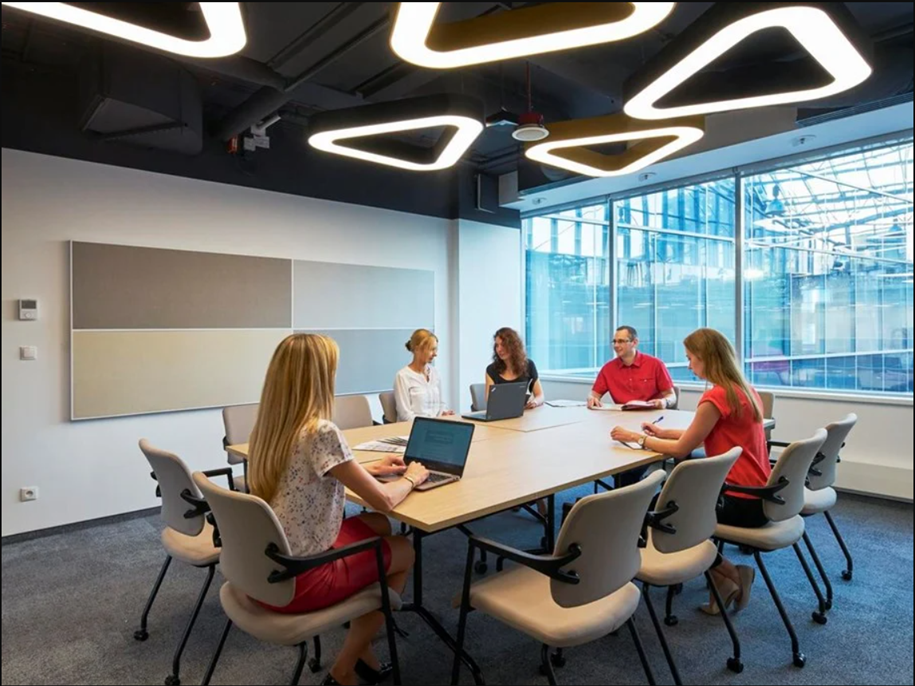
The Future of Acoustic Design: Seamless, Colour-Rich and High-Performance Surfaces
Acoustic design is evolving. What was once treated as a purely technical requirement has become a central element of architectural and interior expression. Today’s spaces demand more than sound control. They require solutions that integrate seamlessly into architecture, offer rich colour possibilities, and deliver reliable acoustic performance over time.
 Link copied



The future of acoustic design lies at the intersection of functionality, aesthetics, and adaptability. Smooth finishes, thoughtful colour selections, and high-performance surfaces are redefining how acoustics are incorporated into modern interiors.
From Visible Panels to Integrated Design
Traditional acoustic solutions were often introduced after the architectural design was complete. Panels and systems were added as functional necessities, frequently standing apart from the overall visual language of the space.
Modern design thinking has shifted this approach. Acoustic planning now begins at the earliest design stages, allowing ceilings and walls to serve both visual and acoustic purposes. Refined textures, seamless finishes, and coordinated colours make it possible to manage sound without compromising architectural intent.
This shift results in interiors that feel cohesive, calm, and deliberately designed.
Seamless Acoustic Surfaces and Architectural Continuity
One of the most prominent trends in acoustic design is the demand for visual continuity. Architects increasingly favour acoustic surfaces that integrate smoothly with surrounding materials and forms.
Seamless acoustic finishes reduce visual clutter while supporting clean lines, continuous ceilings, and uninterrupted wall surfaces. This is especially important in reception areas, cultural spaces, offices, and premium commercial interiors where clarity and restraint define the aesthetic.
By embedding acoustic performance into smooth surface finishes, sound control becomes effective without becoming visually dominant.
Colour as a Design and Acoustic Tool
Colour plays a powerful role in shaping how spaces are perceived and experienced. In contemporary acoustic design, colour is no longer limited to neutral backdrops. It is actively used to support identity, zoning, and emotional response.
Colour-rich acoustic surfaces allow designers to:
- Define zones in open-plan environments
- Support branding and visual narratives
- Create calm or energising atmospheres
- Improve wayfinding without physical barriers
When colours are applied consistently across ceilings and walls, acoustic elements become part of the overall design language rather than standalone features.
High-Performance Surfaces for Diverse Environments
As acoustic solutions become more integrated, expectations around performance and durability continue to rise. Modern interiors require surfaces that perform acoustically while meeting practical demands.
High-performance acoustic surfaces are designed to:
- Deliver effective sound absorption across key frequency ranges
- Maintain visual quality over time
- Withstand frequent use, cleaning, or moisture where required
- Support long-term durability and sustainability goals
Different environments place different demands on acoustic surfaces. Offices prioritise speech clarity and comfort. Healthcare environments require cleanable and resilient finishes. Public and cultural spaces demand a balance of permanence, elegance, and performance.
The future of acoustic design lies in addressing these varied needs without compromising acoustic efficiency or visual intent.
Supporting Confident Design Decisions
As colours and seamless surfaces become more central to acoustic design, making informed decisions early in the process becomes essential. Designers increasingly rely on visual references and planning tools to evaluate how colours, finishes, and acoustic solutions interact within a space.
This approach helps design teams:
- Assess colour and surface combinations in context
- Understand how acoustic elements contribute to the overall aesthetic
- Align architectural vision with acoustic performance from the outset
- Reduce uncertainty during specification
By integrating these considerations early, acoustic solutions remain visually coherent and technically effective throughout the project lifecycle.
Sustainability and Long-Term Design Thinking
Sustainability is shaping the future of acoustic surfaces. Designers now consider not only present-day performance, but also how spaces will adapt over time.
Durable surfaces reduce the need for replacement. Timeless colour palettes allow interiors to evolve without altering acoustic systems. Responsible material choices contribute to environmental goals while maintaining acoustic comfort.
High-performance acoustic design is no longer about short-term solutions. It is about creating systems that remain relevant, efficient, and responsible throughout the life of a building.
Where Future-Focused Acoustic Design Has the Greatest Impact
Seamless, colour-rich, high-performance acoustic surfaces are particularly valuable in:
- Hybrid workplaces and open-plan offices
- Educational environments focused on learning and concentration
- Healthcare facilities prioritising comfort and wellbeing
- Hospitality spaces shaping user experience
- Cultural and public buildings with strong architectural identity
In these environments, acoustics directly influence how people communicate, feel, and perform.
Conclusion
The future of acoustic design is integrated, expressive, and performance-driven. Seamless surfaces allow acoustics to blend naturally into architecture. Thoughtful use of colour enhances identity, mood, and spatial clarity. High-performance materials ensure lasting comfort and durability.
When acoustic expertise is combined with considered surface and colour strategies, interiors can be created that sound as good as they look. Acoustic design is no longer hidden in the background—it has become a defining element of modern, human-centred spaces.