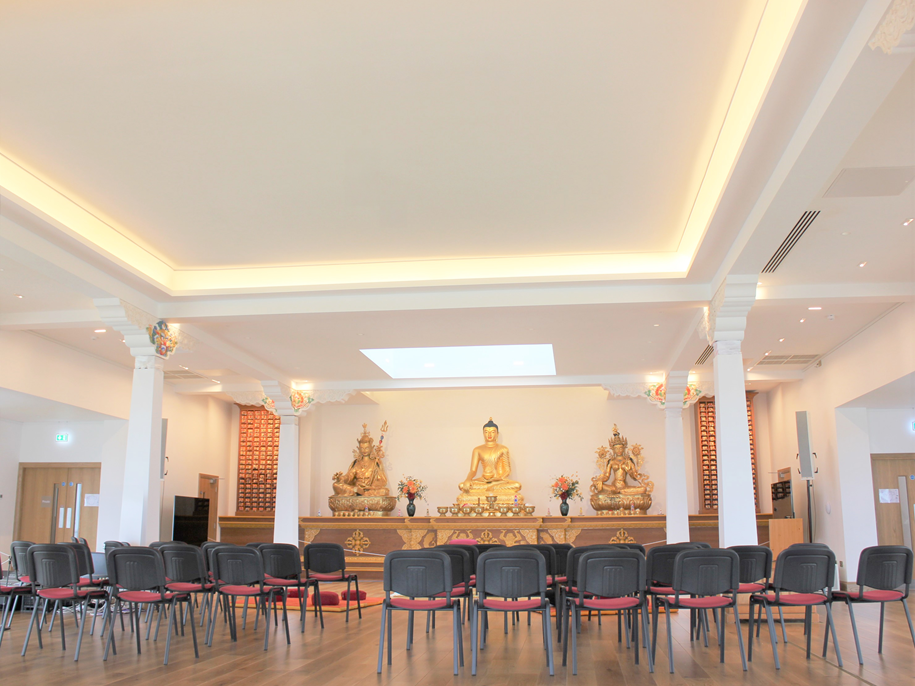
How Colours and Surfaces Shape Acoustic Design in Modern Interiors
Acoustics and design in modern architecture no longer exist in isolation. Sound control now works alongside visual expression to create spaces that are comfortable, functional, and visually coherent. Colours and surface finishes play a crucial role in this balance, influencing not only how a space looks but also how it feels and performs on a daily basis.
 Link copied



The approach to colours and surfaces by Ecophon enables interiors to manage sound effectively while supporting architectural intent, brand identity, and user comfort.
Why Colours and Surfaces Matter in Acoustic Design
Acoustic solutions are often seen as technical additions, but their visual presence is just as important. Walls and ceilings dominate interior spaces, making colour and surface choices impossible to ignore.
When chosen correctly, colours and surface finishes can:
- Improve visual comfort
- Support zoning and wayfinding
- Reinforce brand identity
- Enhance the perceived quality of a space
- Integrate acoustic solutions seamlessly into the interior
With thoughtful design, acoustic elements become part of the architecture rather than appearing as add-ons.
Fabric and Film Surfaces: Balancing Performance and Aesthetics
Different environments demand different surface qualities. Fabric and film surfaces are designed to meet both acoustic and functional requirements across a wide range of spaces.
Fabric surfaces are commonly used in offices, educational facilities, and public buildings. Their soft visual expression supports sound absorption, helping to reduce reverberation and create calm, focused environments.
Film surfaces are suitable for areas requiring enhanced durability and ease of cleaning. These surfaces are often used in spaces where hygiene, moisture resistance, or frequent cleaning is essential, without compromising acoustic performance.
Each surface type is engineered to support sound control while responding to the practical demands of the space.
Painted Surfaces: Clean Expression with Consistent Colour
Painted acoustic surfaces offer a smooth and understated appearance that suits many interior concepts. They are particularly effective in offices, corridors, and institutional spaces where a clean and uniform look is required.
Painted surfaces allow designers to:
- Coordinate ceilings and walls with surrounding interiors
- Create subtle contrasts or monochrome schemes
- Maintain a restrained and elegant visual language
These surfaces provide acoustic performance without drawing unnecessary visual attention.
Acoustic Plaster: Seamless Sound Control
In some architectural concepts, visible panels or grids may disrupt the intended design language. Acoustic plaster offers a solution by creating a continuous, seamless surface that blends into the architecture.
It is often used in reception areas, cultural buildings, and high-end commercial interiors where visual continuity is critical. Acoustic plaster delivers sound absorption discreetly, maintaining acoustic comfort without compromising the overall aesthetic.
Using Colour to Define Space and Mood
Colour has a strong psychological impact and can be used strategically within acoustic design to support the purpose of a space.
For example:
- Neutral and soft tones support concentration and focus
- Darker shades create intimacy and reduce visual distraction
- Brighter colours energise social and collaborative areas
When combined with acoustic functionality, colour helps shape behaviour, comfort, and experience.
Exploring Design Options with the Colour Inspiration Tool
Selecting the right combination of colours and surfaces can be complex. Ecophon’s Colour Inspiration Tool helps designers explore different options early in the design process.
The tool allows users to:
- Visualise different colour schemes
- Combine ceilings and wall elements
- Understand how colours interact in various settings
This supports confident decision-making and ensures visual and acoustic consistency.
Application Areas for Colours and Acoustic Surfaces
Colours and acoustic surface solutions are applied across a wide range of environments, including:
- Offices and workspaces
- Educational facilities
- Healthcare environments
- Hospitality and retail spaces
- Cultural and public buildings
In each case, the goal remains the same: to combine acoustic comfort with visual quality and long-term functionality.
Designing for Longevity and Flexibility
While interior design trends evolve, acoustic solutions are long-term investments. Choosing adaptable colours and durable surfaces ensures relevance over time.
Neutral base colours paired with accent elements allow interiors to evolve without replacing acoustic systems. Durable surface finishes reduce maintenance and extend product life, supporting sustainable design practices.
Conclusion
Colours and surfaces are a fundamental part of modern acoustic design. They influence how spaces look, feel, and function while supporting effective sound management.
With a range of fabric, film, painted surfaces, and acoustic plaster solutions, designers can create interiors that are acoustically comfortable, visually integrated, and future-ready. When acoustics are treated as an integral part of interior design rather than a technical afterthought, the result is spaces that are comfortable, productive, and aesthetically balanced.