
Acoustic Ceilings vs Acoustic Panels: Which One Should You Choose?
Sound control has become a critical factor in creating comfortable, productive spaces. Whether you're designing an office, restaurant, or educational facility, choosing between acoustic ceilings vs acoustic panels can significantly impact your space's performance and budget. Both solutions offer distinct advantages, but understanding their differences will help you make the right choice for your specific needs.
Let's break it down to help you decide which acoustic solution works best for your project.
Understanding Acoustic Ceilings: The Complete Coverage Solution
Acoustic ceilings provide wall-to-wall sound absorption across your entire ceiling surface. These systems typically consist of ceiling tiles or panels installed as suspended ceilings or mounted directly to the structure above. They create a continuous acoustic barrier that addresses reverberation throughout the entire space.
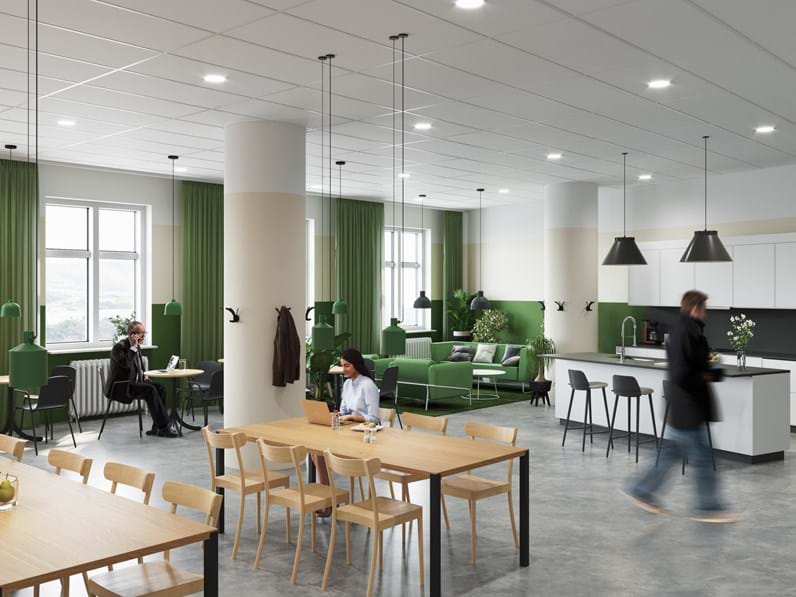
Most acoustic ceiling systems feature materials like mineral fiber, fiberglass, or specialized composite materials designed to absorb sound waves. The installation process involves mounting these materials across the entire ceiling plane, creating uniform acoustic coverage.
Key Benefits of Acoustic Ceiling Systems
Acoustic ceilings excel in large, open spaces where comprehensive sound control is needed. They offer several advantages:
Complete Room Coverage: Unlike targeted solutions, acoustic ceilings address the entire space simultaneously, providing consistent sound absorption across all areas.
Structural Integration: Many ceiling systems become part of the building's infrastructure, offering both acoustic and aesthetic benefits while hiding mechanical systems.
Easy Maintenance: Ceiling tiles can be individually replaced or cleaned without affecting the entire system, making long-term maintenance straightforward.
Efficient Coverage for Large Spaces: When you need to treat extensive areas, ceiling systems often provide better value per square foot than individual panels.
Exploring Acoustic Panels: Targeted Sound Solutions
Acoustic wall panels and absorbers reduce echoes and take away unnecessary sound reflections, enhancing speech clarity and making it possible to better hear what people are saying. These systems offer flexibility in placement and design, allowing you to address specific acoustic problems in targeted areas.
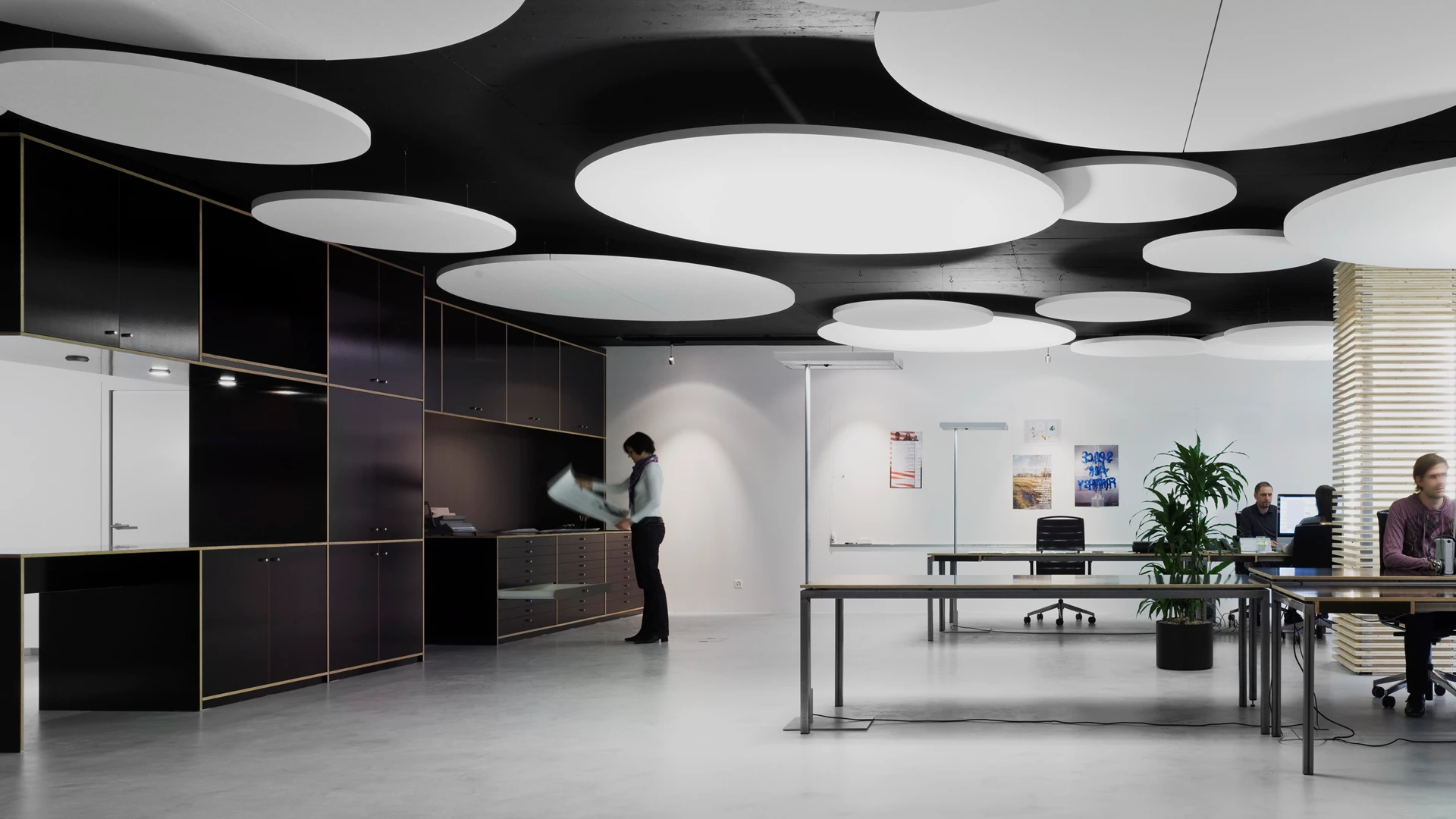
Wall-mounted panels come in various sizes, shapes, and colors, providing both functional and design benefits. They can be installed strategically where sound issues are most problematic, rather than treating the entire room uniformly.
Advantages of Acoustic Panel Systems
Flexible Placement: Panels can be positioned exactly where they're needed most, allowing for customized acoustic treatment based on room usage and sound patterns.
Design Versatility: Available in numerous colors, textures, and shapes, panels can serve as decorative elements while providing acoustic benefits.
Targeted Treatment: Address specific problem areas without treating the entire space, potentially reducing costs and material usage.
Easy Installation: Most panel systems can be mounted without major structural changes, making them suitable for retrofits and renovations.
Acoustic Ceilings vs Acoustic Panels: Performance Comparison
When comparing these two approaches, several factors determine which solution works best for your space.
Sound Absorption Capabilities
Ceilings typically offer a larger surface area compared to walls, allowing for greater sound absorption potential. This makes acoustic ceilings particularly effective in spaces with high reverberation times.
Acoustic panels for office environments often focus on specific problem areas like meeting rooms or call centers, where targeted treatment can be more effective than whole-room coverage.
Coverage Area and Effectiveness
Ceiling systems provide uniform treatment across the entire room, which works well for spaces with consistent acoustic needs. Panel systems allow for variable coverage, treating only the areas that need attention.
The best acoustic solutions often combine both approaches, using ceiling systems for general coverage and supplementing with wall panels in critical areas.
Installation and Maintenance Considerations
Ceiling installations typically require more extensive work, especially for suspended systems that need structural support. Wall panels generally offer simpler installation processes, making them attractive for quick improvements or temporary solutions.
Long-term maintenance differs significantly between the two approaches. Ceiling tiles can be replaced individually, while panel systems may require removing and reinstalling entire sections for cleaning or replacement.
Resource Planning: Soundproof Ceiling Options vs Panel Solutions
Planning considerations often drive the decision between acoustic ceilings vs acoustic panels. Let's examine the resource factors:
Initial Investment Comparison
Ceiling systems typically require more extensive materials and labor for complete coverage. The infrastructure needed for suspended ceilings adds to the implementation requirements.
Panel systems allow for phased implementation, letting you start with high-priority areas and expand the treatment over time as resources permit.
Long-Term Value Assessment
Effective acoustic design considers both immediate and ongoing requirements. Ceiling systems often provide better long-term value in large spaces due to their comprehensive coverage and durability.
Panel systems offer flexibility for future changes, making them valuable in spaces that may be reconfigured or repurposed over time.
Application-Specific Recommendations
Different environments benefit from different approaches to acoustic treatment.
Office Environments: Wall vs Ceiling Acoustic Treatment
Modern offices present unique challenges for office noise control. Open floor plans benefit from ceiling treatments that address overall ambient noise, while private offices and meeting rooms often need targeted wall treatments for speech privacy.
Hybrid approaches work well in office environments, combining suspended acoustic ceilings in open areas with strategic panel placement in collaboration spaces.
Educational and Healthcare Settings
Schools and healthcare facilities require robust acoustic solutions that can withstand heavy use while providing excellent speech intelligibility. Ceiling systems often work better in these environments due to their durability and comprehensive coverage.
Restaurants and Entertainment Venues
These spaces need to balance acoustic comfort with aesthetic appeal. Wall panels offer more design flexibility while providing necessary sound absorption to create comfortable dining experiences.
How Ecophon Delivers Superior Acoustic Solutions
Ecophon offers acoustic ceiling systems installed as suspended ceilings or as acoustic tiles fixed directly to the soffit, along with acoustic baffles and panels that enhance wellbeing and performance. The company specializes in creating comprehensive acoustic environments that prioritize human comfort and productivity.
Ecophon products are designed to improve the indoor acoustical environment of buildings like schools, healthcare facilities, offices or restaurants, available in various sizes, colours, surface treatments, edges, and systems depending on the desired design and application.
What sets Ecophon apart is their focus on evidence-based acoustic design. The company provides digital tools and services to support architects, designers, and contractors in creating better sound environments, designed to simplify workflow while ensuring the highest standards in acoustic solutions.
Their product range includes both ceiling and wall solutions, allowing for integrated approaches that address the complete acoustic environment rather than treating sound control as separate ceiling or wall problems.
Making Your Choice: Key Decision Factors
Several factors should guide your selection between acoustic ceilings and panels:
Space Size and Layout: Large, open spaces often benefit more from comprehensive ceiling treatments, while smaller or irregularly shaped rooms may work better with targeted panel solutions.
Resource Planning and Timeline: Consider both immediate requirements and long-term value when making your decision.
Aesthetic Requirements: Determine whether you need the solution to blend invisibly into the architecture or serve as a design element.
Future Flexibility: Consider whether you might need to reconfigure or expand the acoustic treatment over time.
Maintenance Capabilities: Evaluate your facility's ability to maintain different types of acoustic treatments.
Here is why the choice between acoustic ceilings vs acoustic panels doesn't have to be either-or. Many successful acoustic designs combine both approaches, using ceiling systems for baseline coverage and supplementing with panels where additional treatment is needed.
Conclusion
The choice between acoustic ceilings vs acoustic panels depends on your specific space, budget, and acoustic goals. Ceiling systems excel in large spaces requiring comprehensive treatment, while panels offer flexibility and targeted solutions for specific problems.
Consider your space's unique requirements, consult with acoustic professionals, and remember that the best acoustic solutions often combine multiple approaches. Whether you choose ceiling systems, wall panels, or a hybrid solution, proper planning and quality products will deliver the acoustic comfort your space needs.
Ready to create better acoustic environments? Visit Ecophon to explore professional acoustic solutions tailored to your specific needs and discover how expert guidance can help you achieve optimal sound control for any space.
Frequently Asked Questions
Q: What is the main difference between acoustic ceilings and acoustic panels?
Acoustic ceilings provide complete room coverage through ceiling-mounted systems, while acoustic panels offer targeted treatment that can be placed on walls or ceilings as needed for specific sound problems.
Q: Which option is more suitable for small offices?
Acoustic panels are typically more suitable for small offices because they allow targeted treatment of problem areas without requiring complete ceiling replacement or extensive structural modifications.
Q: Can acoustic panels work as well as ceiling systems for noise reduction?
Panel systems can be equally effective when properly placed and sized for the space. The key is strategic placement based on room acoustics and usage patterns.
Q: How do I determine the right amount of acoustic treatment for my space?
Professional acoustic assessment considers room size, usage, existing materials, and target noise levels. Most spaces need 15-25% of surface area treated for noticeable improvement.
Q: Are there spaces where combining both ceiling and wall treatments makes sense?
Yes, many high-performance spaces like recording studios, conference rooms, and restaurants benefit from combined approaches that address both direct and reflected sound paths.
 Link copied