As architecture evolves, sound has become as vital as sight in shaping human experience. Entering 2026, acoustic design is no longer a technical detail but a cornerstone of wellbeing, sustainability, and comfort. Architects and designers now recognize that the way a space sounds profoundly influences how people feel, focus, and connect. From biophilic materials and smart sound systems to circular design and silent architecture, this new era marks a shift toward environments that harmonize aesthetics with acoustic wellness—spaces that truly sound as good as they look.

Acoustic Design Trends 2026: What Architects and Designers Should Know
 Link copied



The built environment is undergoing a sonic revolution. As we advance into 2026, acoustic design has evolved from a technical afterthought to a fundamental pillar of architectural planning. Architects and designers now recognize that sound quality directly impacts human wellbeing, productivity, and the overall experience of spaces. Understanding emerging trends in acoustic design isn't just beneficial, it's essential for creating environments where people thrive.
The Rising Importance of Acoustic Wellness in Modern Architecture
The conversation around acoustic design has shifted dramatically over the past few years. Where noise control once focused primarily on volume reduction, today's approach encompasses the entire auditory experience. Research consistently demonstrates that poor acoustics contribute to stress, reduced cognitive performance, and decreased satisfaction in both workplace and residential settings.
This holistic understanding has positioned acoustics alongside lighting and air quality as a critical component of wellness-focused design. Forward-thinking architects are integrating acoustic planning from the earliest design phases rather than treating it as a remedial measure. This paradigm shift reflects growing awareness that our ears deserve the same design consideration as our eyes.
Biophilic Acoustic Design: Where Nature Meets Sound Management
Natural Materials Take Center Stage
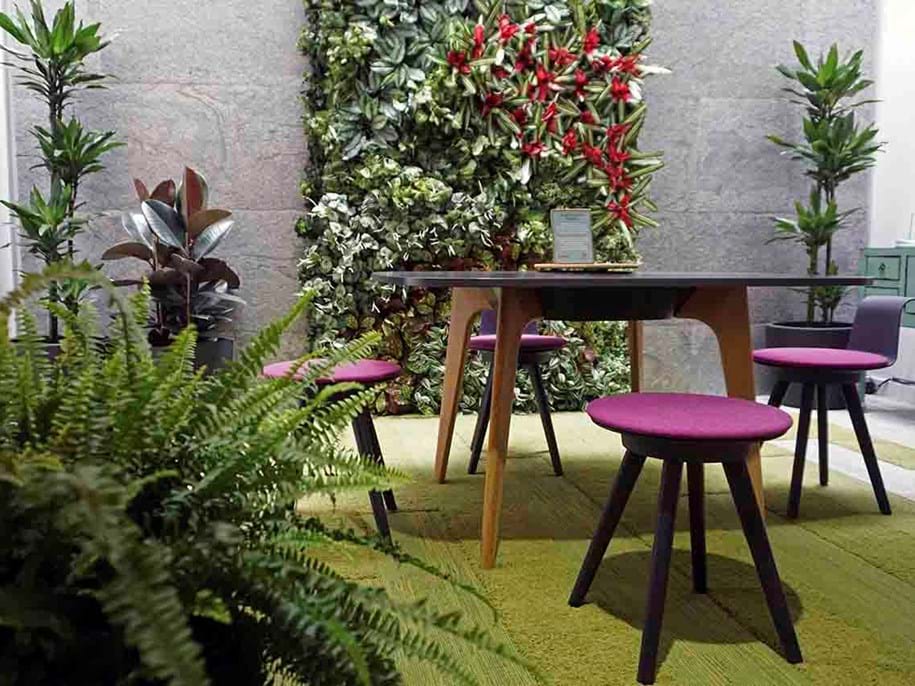
One of the most significant trends shaping acoustic design in 2026 is the integration of biophilic principles with sound management strategies. Natural fibers such as wool, felt, cotton, and hemp are increasingly being used in acoustic panels due to their excellent sound-absorbing properties, while also connecting occupants to the natural world.
This approach goes beyond mere aesthetics. Materials like wood, stone, and woven fibers not only absorb sound effectively but also introduce organic textures that create calming environments. Designers are discovering that acoustic solutions can enhance rather than compromise the visual warmth of interior spaces.
Designers are blending organic textures warm wood, natural stone, woven fibers with thoughtful sound design to create interiors that are both beautiful and comfortable to live and work in. This dual-purpose approach represents a maturation of sustainable design thinking.
The Psychology of Sound in Biophilic Spaces
The psychological benefits of combining nature-inspired design with proper acoustics cannot be overstated. When natural materials manage reverberation and echo, they create environments that feel instinctively comfortable. This synergy between visual and auditory comfort is becoming a hallmark of premium architectural projects.
Sustainable and Circular Acoustic Solutions
Recycled Content and Environmental Responsibility
Sustainability has transitioned from trend to requirement in acoustic design. Manufacturers are responding with products that feature substantial recycled content while maintaining high performance standards. Glass wool cores with decorative veils now commonly contain between 34% and 59% post-consumer recycled materials, demonstrating that environmental responsibility and acoustic excellence are not mutually exclusive.
The circular economy is reshaping product development cycles. Acoustic panels designed for complete recyclability at end-of-life ensure that today's solutions don't become tomorrow's waste. This forward-thinking approach aligns with broader architectural movements toward regenerative design.
Emerging Bio-Based Materials
Innovation in sustainable acoustics extends to entirely new material categories. Mycelium-based acoustic panels, algae fabrics, and mushroom leather are moving from experimental applications into mainstream consideration. These bio-based materials often match or exceed the performance of traditional synthetic options while offering significantly lower environmental footprints.
The manufacturing processes for these materials are evolving rapidly, with robotic fabrication techniques enabling complex geometries that optimize both acoustic performance and visual interest. This convergence of sustainability and advanced manufacturing represents a genuine paradigm shift in how we conceive acoustic solutions.
Smart Acoustic Systems and IoT Integration
Adaptive Sound Environments
The integration of smart technology into acoustic design represents another frontier for 2026. Smart systems and IoT integration are at the forefront of creating more adaptive, efficient, and eco-friendly sound environments. Sensors can monitor ambient noise levels and automatically adjust absorption characteristics or activate masking systems to maintain optimal conditions.
These intelligent systems learn usage patterns and occupant preferences, creating personalized acoustic environments that adapt throughout the day. In open office environments, smart acoustic solutions can respond to meeting patterns, concentration needs, and collaborative activities without manual intervention.
Interactive and Responsive Surfaces
Interactive acoustic panels that change color or pattern in response to sound are emerging as particularly compelling design elements. These dynamic surfaces serve dual purposes: managing sound while creating engaging visual experiences. Educational settings, creative studios, and public spaces are early adopters of this technology, appreciating how it transforms acoustics from invisible infrastructure into interactive architecture.
Silent Architecture: The Invisible Acoustic Layer
Integrating Sound Management from Concept
The growing integration of sound-absorbing surfaces, "silent architecture" principles, and discreet acoustic solutions preserve aesthetics while improving the overall sensory experience. This philosophy emphasizes that the best acoustic design often goes unnoticed not because it's absent, but because it's seamlessly woven into the architecture.
Silent architecture demands early collaboration between acoustic engineers, architects, and interior designers. By addressing sound propagation, reverberation, and noise isolation from initial sketches, designers avoid the compromised aesthetics that result from retrofitted acoustic treatments.
Precision Integration of Acoustic Elements
The technical sophistication of modern projects demands acoustic treatments that integrate invisibly with mechanical systems, lighting, and structural elements. Concealed acoustic panels, sound-absorbing materials hidden within joinery, and carefully calculated room geometries all contribute to environments where excellent acoustics feel effortless.
Flexible and Modular Acoustic Solutions

Adapting to Changing Space Needs
The evolution of how we use spaces particularly in workplace and educational environments has driven demand for flexible acoustic solutions. Modular acoustic panels, movable screens, and reconfigurable ceiling systems allow spaces to transform while maintaining appropriate sound conditions.
This flexibility proves particularly valuable in multi-purpose venues where a single space might host quiet focus work in the morning, collaborative sessions in the afternoon, and social gatherings in the evening. Acoustic design must accommodate this programmatic diversity without requiring complete reconfiguration.
Acoustic Baffles and Suspended Solutions
Suspended acoustic elements, baffles, clouds, and hanging panels offer acoustic performance without wall-to-wall coverage. These solutions preserve architectural features like exposed structure or impressive ceiling heights while providing targeted sound absorption. The three-dimensional arrangement of these elements adds visual interest while addressing specific acoustic challenges.
Zone-Specific Acoustic Design Strategies
Healthcare Environments
Healthcare facilities present unique acoustic challenges where speech intelligibility, privacy, and healing environments must coexist. Acoustic design in medical settings now emphasizes creating spaces that reduce stress for both patients and staff while maintaining clear communication for safety.
Acoustic ceiling tiles and wall panels specifically designed for healthcare applications meet strict hygiene requirements while delivering superior sound performance. The goal extends beyond simple noise reduction to creating environments that actively support healing and wellbeing.
Educational Spaces
Schools and universities benefit enormously from optimized acoustics. Clear speech transmission in classrooms directly impacts learning outcomes, while appropriate sound isolation between spaces prevents distractions. Modern educational acoustic design considers everything from lecture halls to collaborative learning zones, ensuring each space supports its intended purpose.
Office Environments
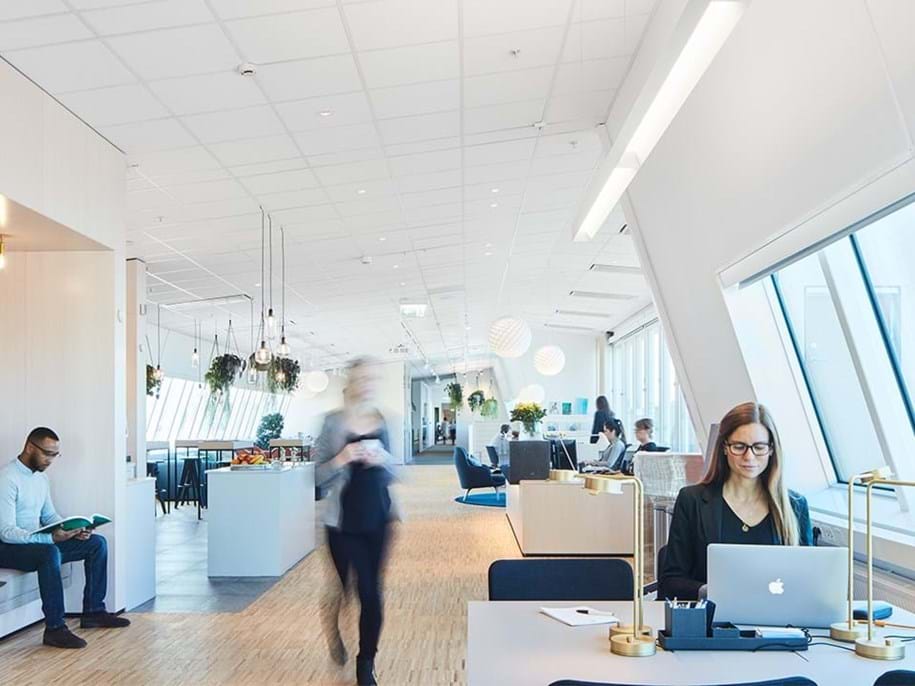
The workplace continues to evolve, with hybrid models and varied work modes demanding sophisticated acoustic strategies. Open offices require careful balance between collaboration and concentration, with acoustic zoning playing a crucial role. Phone booths, quiet areas, and meeting spaces each need tailored acoustic characteristics.
Public and Hospitality Spaces
Restaurants, hotels, and public venues are recognizing that acoustic comfort significantly impacts customer satisfaction. Controlling reverberation in dining areas improves conversation quality, while lobbies and common areas benefit from acoustic treatments that manage bustle without feeling oppressive.
Color, Texture, and Aesthetic Flexibility in Acoustic Design
Gone are the days when acoustic panels meant compromising design vision. Today's acoustic solutions come in extensive ranges of colors, textures, surfaces, and edge details. This aesthetic flexibility allows designers to use acoustic elements as intentional design features rather than necessary evils.
Perforated patterns, fabric coverings, wood veneers, and decorative reliefs transform functional acoustic panels into architectural statements. Custom printing and digital imagery further expand possibilities, enabling branded environments or artistic installations that happen to excel at sound management.
Understanding Acoustic Performance Metrics
What Architects Need to Know
Effective acoustic design requires understanding key performance metrics. Noise Reduction Coefficient (NRC) indicates how much sound a material absorbs across frequencies. Sound Transmission Class (STC) measures how well assemblies block sound. Reverberation time quantifies how long sound persists in a space.
These technical specifications inform material selection and system design. However, successful acoustic design balances measured performance with subjective experience. An acoustically successful space feels comfortable even if occupants can't articulate why.
Room Acoustics vs. Building Acoustics
Understanding the distinction between room acoustics (managing sound within spaces) and building acoustics (controlling sound transmission between spaces) is essential. Comprehensive acoustic design addresses both domains, ensuring spaces sound good internally while maintaining appropriate privacy and isolation externally.
How Ecophon Supports Modern Acoustic Design
As acoustic design becomes increasingly sophisticated, having reliable partners with comprehensive product ranges and technical expertise becomes crucial. Ecophon, part of the Saint-Gobain Group, has established itself as a leading provider of acoustic ceiling tiles and wall panel systems that address contemporary design challenges.
What distinguishes Ecophon in the current market is their commitment to sustainability alongside performance. Their acoustic solutions feature substantial recycled content while being designed for complete recyclability at end-of-life. This circular approach aligns perfectly with the sustainability priorities driving architectural decisions in 2026.
Ecophon offers wall-to-wall ceiling systems, suspended solutions, and acoustic baffles and panels for projects where complete coverage isn't desired or possible. This product diversity enables designers to select appropriate solutions for specific applications whether healthcare facilities requiring strict hygiene compliance, schools needing optimal speech intelligibility, or offices balancing collaborative and focused work.
The company's focus on how acoustics impact productivity and wellbeing reflects the broader shift toward human-centered design. By providing not just products but acoustic knowledge and technical support, Ecophon helps architects and designers navigate the increasingly complex acoustic requirements of modern buildings. Their approach recognizes that great acoustics should enhance rather than constrain design freedom.
Implementation Strategies for Optimal Results
Early-Stage Acoustic Planning
The most successful acoustic projects begin with acoustic considerations during conceptual design. Space planning, volume allocation, and material selections made early significantly impact final acoustic outcomes. Engaging acoustic consultants alongside architects from project inception prevents costly remedial work later.
Balancing Aesthetics and Performance
While aesthetic considerations are valid, they shouldn't drive acoustic decisions alone. The most sophisticated projects achieve visual goals while meeting rigorous acoustic performance targets. This balance requires creative problem-solving and willingness to explore non-traditional solutions.
Testing and Verification
Post-occupancy acoustic testing verifies that design intent translated into built reality. Measurements of reverberation time, speech intelligibility, and background noise levels confirm whether spaces perform as expected. This verification informs lessons learned for future projects.
Future Directions: What's Beyond 2026?
Looking ahead, several emerging technologies and approaches will likely shape acoustic design in coming years. Artificial intelligence may optimize acoustic configurations for specific uses and user preferences. Advanced materials could offer tunable acoustic properties that adjust in real-time. Bio-integrated acoustic systems might eventually grow rather than being manufactured.
The convergence of acoustic design with broader wellness and sustainability movements seems certain to accelerate. As our understanding of sound's impact on human health deepens, acoustic design will become ever more sophisticated and integral to architectural practice.
Conclusion: Designing for the Ear
The acoustic design landscape in 2026 reflects a maturation of the field. Sound is no longer an afterthought but a design consideration as fundamental as light, air, or structure. The trends discussed biophilic integration, sustainability, smart systems, silent architecture, and flexible solutions all point toward more human-centered, environmentally responsible approaches.
For architects and designers, staying current with acoustic design trends isn't optional. The spaces we create will be judged not just by how they look, but by how they sound and how that sound makes people feel. Excellent acoustics support concentration, enable conversation, reduce stress, and enhance wellbeing. As we design the built environment of tomorrow, our ears deserve equal consideration with our eyes.
Ready to explore how advanced acoustic solutions can elevate your next project? Discover comprehensive ceiling and wall acoustic systems designed for performance, sustainability, and design flexibility at Ecophon. Transform your spaces with acoustic solutions that enhance both form and function.
Frequently Asked Questions
What is acoustic design and why does it matter in architecture?
Acoustic design involves managing how sound behaves in built environments through strategic material selection, space configuration, and system integration. It matters because proper acoustics directly impact productivity, wellbeing, communication clarity, and overall satisfaction with spaces. Poor acoustics contribute to stress, fatigue, and reduced cognitive performance in occupants.
How do biophilic materials improve acoustic performance?
Biophilic materials like wool, wood, cork, and natural fibers provide excellent sound absorption while creating visual and tactile connections to nature. These materials manage reverberation effectively while contributing to calming environments. The combination of acoustic performance with natural aesthetics addresses both functional and psychological needs, making spaces more comfortable and productive.
What are the key differences between room acoustics and sound isolation?
Room acoustics focuses on controlling sound within a space managing echo, reverberation, and sound quality inside rooms. Sound isolation involves preventing sound transmission between spaces through walls, floors, and ceilings. Comprehensive acoustic design addresses both domains: making individual spaces sound good internally while maintaining privacy and preventing disturbances between adjacent areas.
How can smart technology enhance acoustic design?
Smart acoustic systems use sensors and automation to monitor ambient noise and adapt environments in real-time. They can adjust sound masking, activate absorption systems, or alert facility managers to acoustic issues. These systems learn occupant patterns and preferences, creating personalized sound environments that adapt throughout the day without manual intervention, improving both comfort and efficiency.
What acoustic considerations are most important for open office designs?
Open offices require careful acoustic zoning to balance collaboration and concentration needs. Key considerations include controlling reverberation with ceiling and wall treatments, providing sound masking systems, creating acoustic refuges for focused work, using space dividers strategically, and selecting appropriate materials for floors and furnishings. The goal is supporting diverse work modes within shared environments.