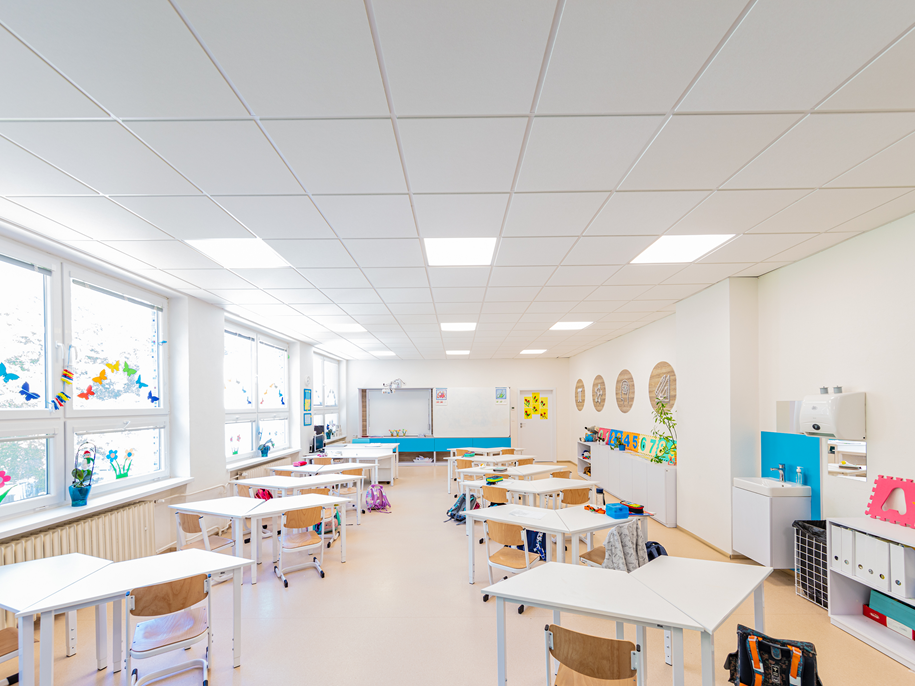




Noise has become one of the defining problems of the modern workplace. Workplace interruption research, most notably the widely cited work of Gloria Mark at UC Irvine, has found that recovering full focus after being pulled away from a task, whether by a notification, a colleague or ambient noise, can take well over twenty minutes. For architects, interior designers, and facilities managers in India, workplace acoustics is now a central specification consideration, not a finishing touch.
Why Hybrid Work Makes Office Acoustic Design Harder
Hybrid offices break the predictability of the original open-plan office. On low-attendance days, even a well-designed acoustic space can expose individual conversations across the floor. On high-attendance days, the same space becomes overwhelmingly loud because more people are there, more of them are on video calls, and the sound environment compounds rapidly.
Modern Indian offices, particularly in metro cities, tend to favour exposed concrete, glass partitions, polished floors, and high ceilings as design elements. These surfaces reflect sound rather than absorb it. Reverberation times climb. Speech becomes harder to understand. The overall noise floor rises even without any individual source being particularly loud.
The Right Acoustic Products for Indian Corporate Offices
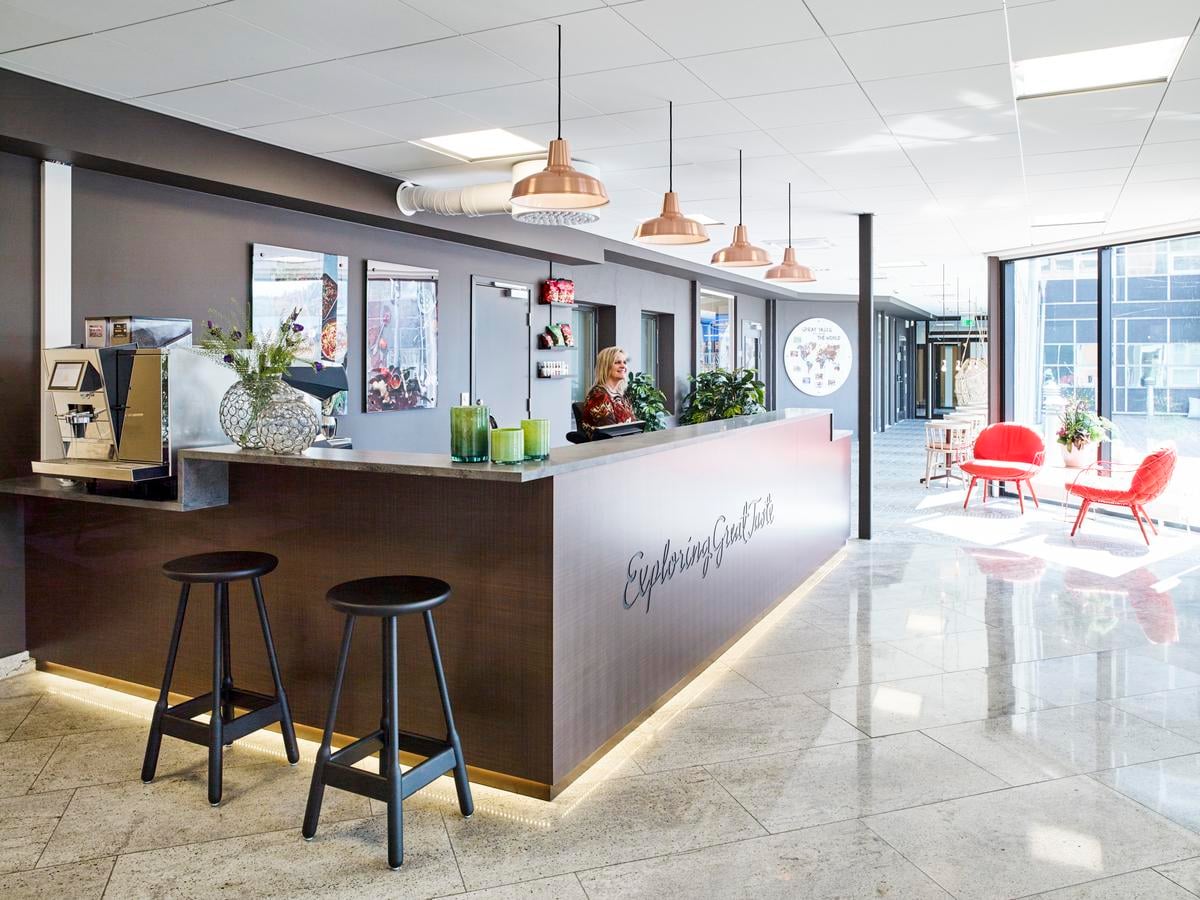
Acoustic Ceiling Panels for Open-Plan Areas
The office ceiling is the largest unobstructed surface in most workspaces and the most effective place to begin sound absorption treatment. Ecophon Advantage™ E is a Class A acoustic ceiling panel designed specifically for open-plan office environments. It delivers maximum sound absorption across the full speech frequency range, integrates with standard office lighting and building services layouts, and carries the Akutex FT surface finish that is easy to maintain in busy commercial environments.
Acoustic Wall Panels for Meeting Rooms
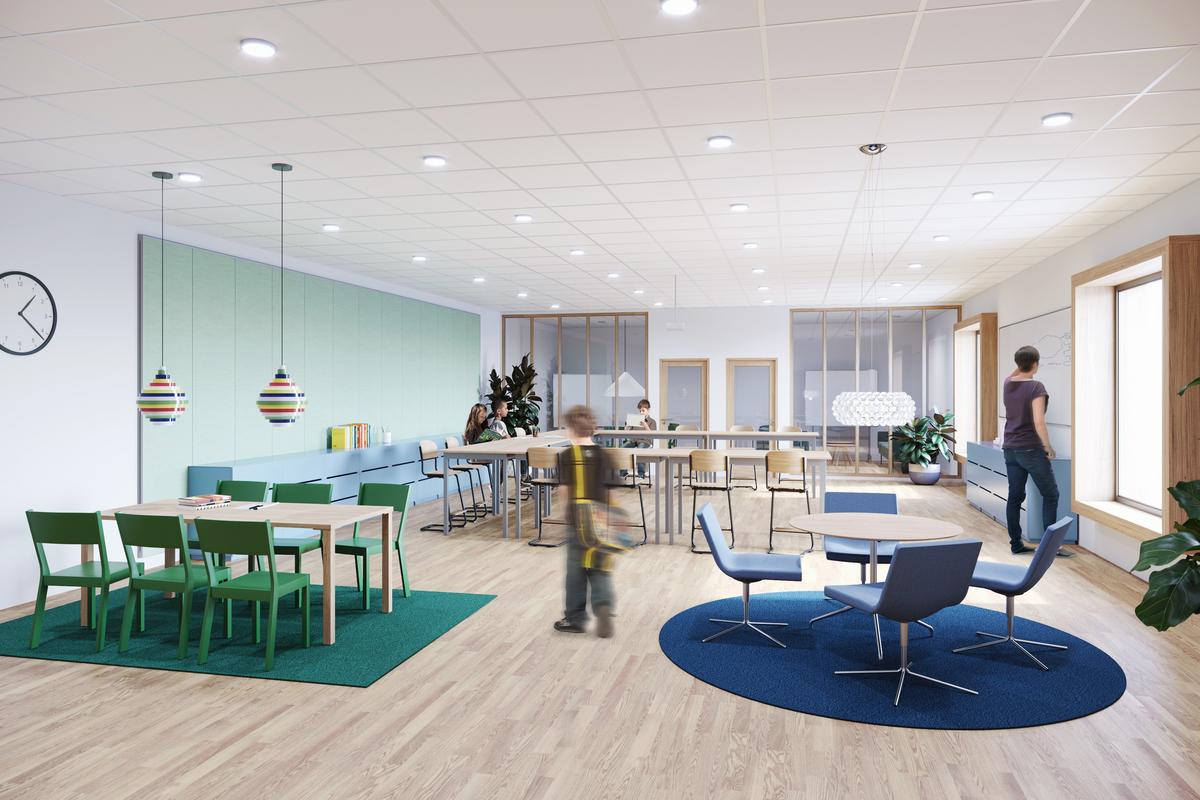
Ceiling treatment alone is not always sufficient. Ecophon Akusto™ Wall Panels address lateral reflections in meeting rooms, phone booths, and collaboration zones. In meeting rooms used for hybrid video calls, combining Advantage™ E or Opta™ E on the ceiling with Akusto panels on at least two walls typically brings reverberation times to below 0.5 seconds, which is what video call microphones need for clean audio.
Free-Hanging Baffles for Exposed Ceiling Offices
In offices with exposed structural ceilings or industrial-style fitouts, Ecophon Solo™ baffles offer targeted sound absorption without a full ceiling installation. Solo units hang at a height where they intercept the main sound transmission paths across an open floor.

Acoustic Zoning for Different Office Activities
- Focus zones: Target ambient noise levels of 35 to 45 dBA. Full ceiling coverage with Advantage™ E or Opta™ E. Place focus zones away from video call areas and high-traffic routes.
- Collaboration areas: Tolerate 45 to 55 dBA but still need controlled reverberation. Akusto™ wall panels in zones where conversations need to stay within the area.
- Meeting rooms and call booths: Reverberation times below 0.5 seconds. Combination of ceiling panels with Akusto™ wall treatment on two or more walls.
- Breakout and social areas: 50 to 65 dBA tolerated. Solo™ baffles or islands above seating clusters to keep energy within the zone.
This zoning approach has been tested in a real Indian office. At Saint-Gobain Indec, an international IT delivery centre in Mumbai, Ecophon Solo Square panels were installed across an open-plan floor, with independent acoustic consultants carrying out before-and-after measurements to verify the improvement. Ecophon's Open-Plan Office Calculator, based on ISO 22955, can also help model acoustic zoning before construction begins.
Related Reading on Ecophon.in
- Ecophon Advantage product range
- Ecophon Akusto wall panel range
- Ecophon Solo (free-hanging panels)
- Open-Plan Office Calculator (ISO 22955)
- Contact Ecophon India
Frequently Asked Questions
What is the ideal noise level for focused work in an Indian open-plan office?
For concentrated individual work, the target ambient noise level is 35 to 45 dBA. Most untreated open-plan offices in India run significantly higher than this during peak hours. Ecophon Advantage™ E acoustic ceiling panels make a measurable difference to employee concentration levels.
How do acoustic ceiling panels help with hybrid video calls?
When reverberation times in a meeting room are too long, microphones pick up echo that makes speech hard to follow for remote participants. Ecophon Advantage™ E reduces reverberation by absorbing rather than reflecting sound energy. Combined with Akusto™ wall panels, rooms achieve the short reverberation times that produce clean audio for video calls.
Can acoustic panels be added to an existing office without major renovation?
Yes. Ecophon Solo™ baffles and islands hang from existing structure without requiring a full ceiling installation. Akusto™ wall panels fix to existing surfaces. Both are practical options for improving acoustic conditions in an occupied fitout without significant disruption.